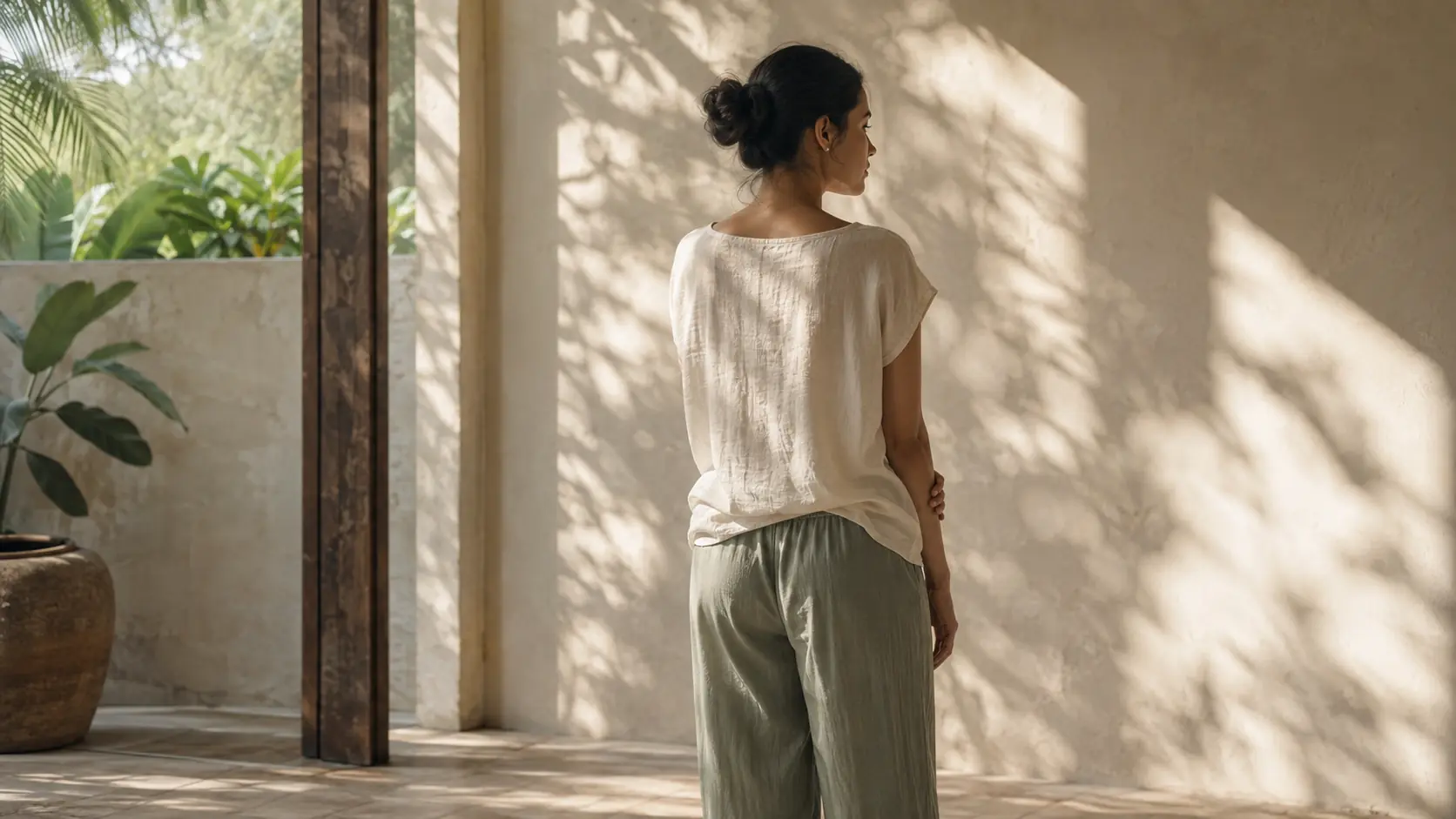
Stress can begin with a situation — a deadline, conflict, illness or long period of uncertainty — but its effects may continue through habits of breathing, bracing, scanning and sleeping.
Saying that stress “lives” in the body is a metaphor for these ongoing patterns. It should help us understand experience, not turn every physical symptom into a psychological story.
The body is built to mobilise
In a demanding moment, the body reallocates attention and energy. Heart rate and breathing may rise, muscles prepare for action and digestion may change. After the challenge passes, recovery processes ideally have space to follow.
When demands continue or safety feels uncertain, the system may have fewer opportunities to complete that recovery. You can be exhausted and still unable to release the readiness to act.
How repeated stress becomes a pattern
- Muscles remain partially braced, especially around the jaw, shoulders, belly or pelvic floor.
- Breathing becomes habitually shallow or held during concentration.
- Attention searches for what might go wrong, even in neutral moments.
- Rest feels unfamiliar, unproductive or unsafe.
- Sleep becomes lighter while daytime energy falls.
Why release cannot be forced
Telling a tense body to relax can create another demand. Sustainable change is more likely to come from rhythm: effort followed by rest, contact followed by space, activation followed by manageable settling.
This is why a short walk, supported movement, a predictable meal or a safe conversation may regulate more effectively than trying to think your way out of stress.
Practical ways to create recovery
- Insert short transitions between demanding tasks instead of waiting for a perfect hour of rest.
- Alternate stillness with gentle movement; one is not automatically better.
- Reduce one avoidable source of urgency, such as non-essential notifications.
- Keep sleep, food and movement expectations realistic during stressful periods.
- Notice which people and places let your body soften without effort.
When to seek support
Persistent pain, digestive problems, heart symptoms, severe fatigue or sleep disturbance deserve medical assessment. If stress is affecting daily life or feels impossible to manage, psychological or psychosocial support may help alongside body-based care.
From repeated demand to repeated pattern
Stress does not literally live in one tissue. The phrase describes interacting patterns across the brain, autonomic nervous system, hormones, immune signalling, sleep, behaviour and muscle activity. When demands repeat, the body may become quicker to mobilise and slower to settle, especially when sleep and recovery are limited.
This can create real physical discomfort without implying that symptoms are imaginary. It also does not mean every chronic symptom is caused by stress. Biological, psychological and social factors can influence one another, so responsible care avoids a single-cause story.
Recovery requires more than relaxation
Recovery may include sleep, nourishment, movement, supportive relationships, predictable routines and reducing the demand itself. Relaxation exercises can help, but they cannot resolve an unsafe workplace, untreated pain, financial crisis or ongoing abuse.
Track patterns rather than searching for one hidden cause. Notice when symptoms appear, what improves them, and whether weekends or holidays change anything. This can guide practical adjustments and give healthcare professionals more useful information.
Why gradual work is often more sustainable
A highly activated or exhausted system may not respond well to intense exercise, long meditation or forceful breathing. Small doses allow you to learn from the response: a short walk, two comfortable stretches, one minute of paced breathing or a clear end to the workday.
The marker of progress is not how much discomfort you can tolerate. It is whether daily capacity, sleep, concentration, relationships or movement become more workable over time.